Walk-In Shower vs Bathtub: Which Adds More Value?
The best bathing arrangement is the one that suits the people using the home and the rest of its bathrooms. A larger shower can improve a daily routine, while a bathtub may remain useful for children, pets or someone who enjoys soaking. Resale is part of that decision, but it should not replace a practical room assessment.
Quick Answer: Walk-In Shower vs Bathtub
A walk-in shower can offer easier entry when its threshold, controls and clearances are designed appropriately. A bathtub preserves bathing options that some households value. Removing an unused tub from a primary suite is a different decision from removing the only tub in the home.
| Factor | Walk-in shower | Bathtub |
|---|---|---|
| Daily use | Convenient for people who primarily shower | Allows soaking and seated bathing |
| Entry | Threshold can be reduced where feasible | Typical tubs require stepping over a side |
| Cleaning | Depends on glass, joints and reach | Depends on depth, surround and access |
| Space | Layout can be tailored to the room | Needs room for the tub and safe access |
| Cost | Includes base, drainage, waterproofing and enclosure | Includes tub, support, plumbing and surround |
| Resale | Depends on the home and buyers | May preserve options buyers want |
Both need thoughtful safety features. Neither fixture, by itself, makes a bathroom accessible or guarantees a higher sale price.
Benefits of a Walk-In Shower
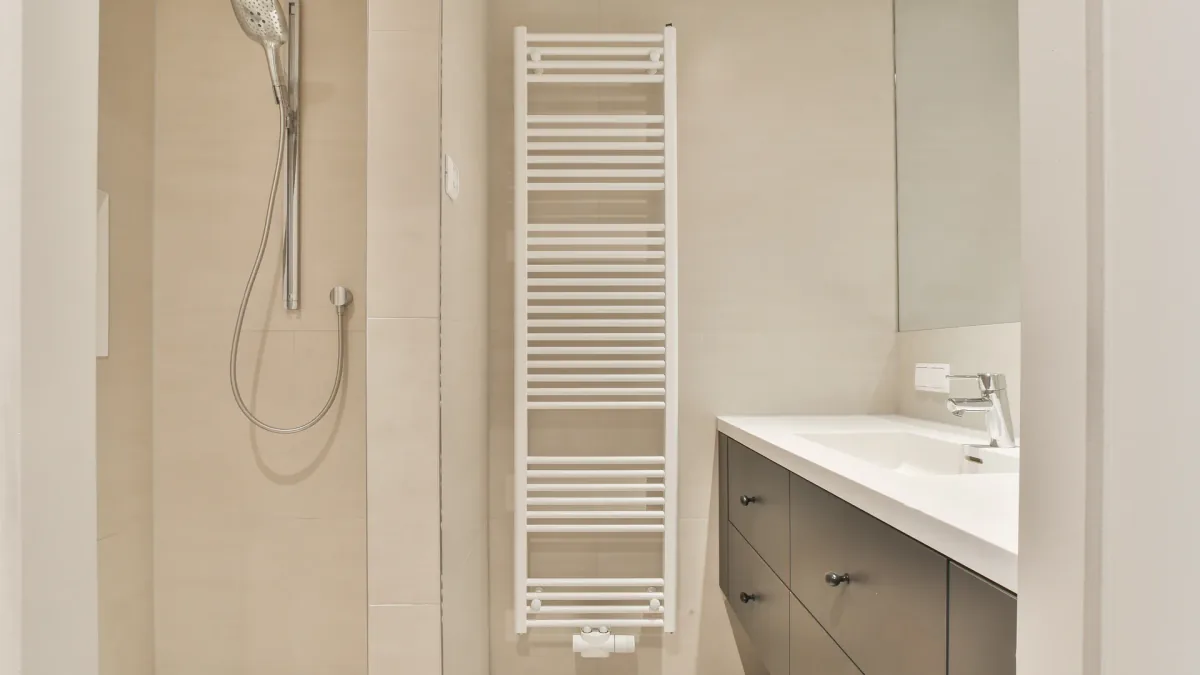
A shower can make good use of an area previously occupied by a seldom-used tub. Clear glazing and a simple layout may help the room feel more open, while a properly planned niche keeps everyday products off the floor.
For long-term use, discuss the entrance, room to move, a possible seat and controls that can be reached without an awkward stretch. A curbless design needs a feasible floor and drainage plan; it is not simply a matter of removing the curb from an existing shower.
The CDC home fall-prevention checklist recommends addressing slippery bathing surfaces and installing grab bars at appropriate bathroom locations. Have support, placement and fastening planned for the user and the wall assembly. Decorative towel bars are not substitutes for properly installed support features.
Cleaning depends on details. A wider opening may improve access, but extensive glass or numerous ledges can add upkeep. Choose surfaces, joints and fixture positions with the person cleaning the shower in mind.
Benefits of Keeping or Adding a Bathtub
A tub can be useful for bathing young children, washing a pet or enjoying a soak. A tub-shower combination also preserves two bathing options in one location, which may matter in a home with limited bathrooms.
Before removing the only tub, ask whether another room can reasonably provide that function. If the family expects to need a tub again, a permanent conversion may solve today's annoyance while creating tomorrow's project. Conversely, keeping a fixture that nobody can comfortably use has its own cost in space and convenience.
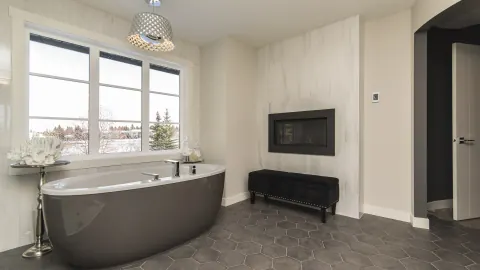
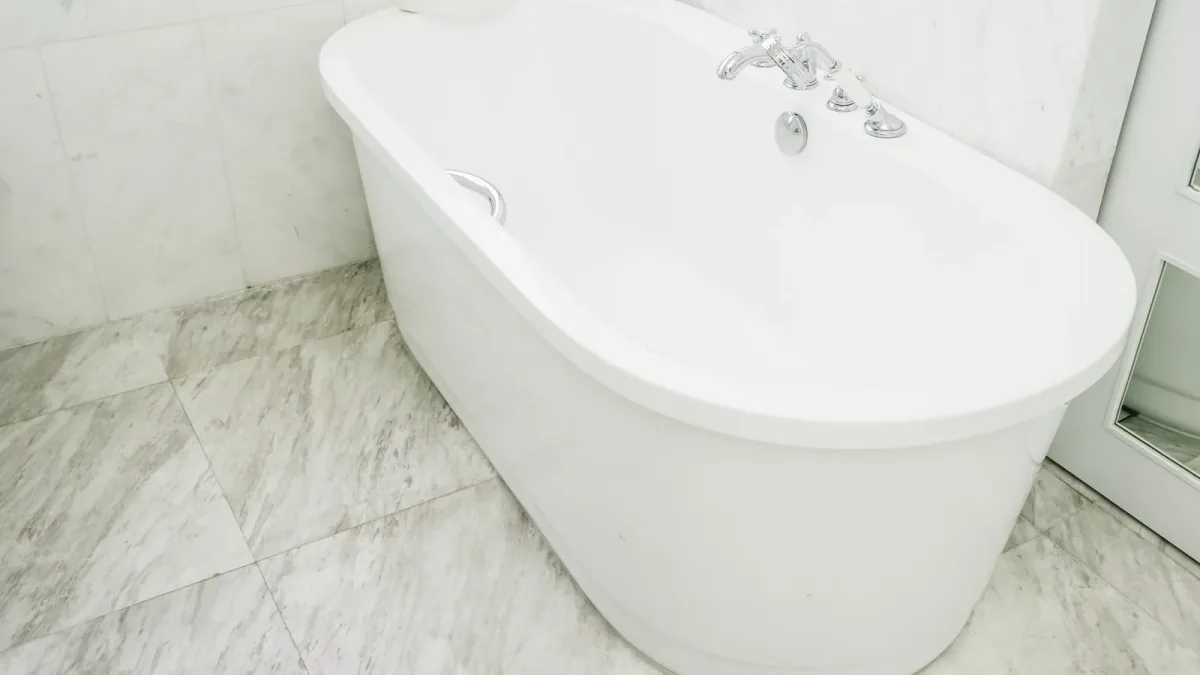
Choose a tub by dimensions and access, not by appearance alone. Consider the depth, edge shape, surrounding floor space, faucet location and how the user gets in and out. A freestanding tub also needs practical access around it for cleaning.
If resale is near, discuss buyer expectations with a local real estate professional. A family-oriented property and a compact home aimed at different buyers may call for different advice; there is no universal rule that every renovation must keep a tub.
Value Factors to Consider Before Choosing
- Other bathrooms: inventory the bathing options elsewhere in the home.
- Current use: note who uses this room and what is difficult about it.
- Available space: allow for doors, fixtures, storage and movement outside the bathing area.
- Existing plumbing: have the drain and supply arrangement assessed before fixing the design.
- Long-term needs: consider changes in mobility or household composition.
- Local buyer expectations: seek property-specific advice if selling soon.
A tub-to-shower conversion makes sense when the tub is not meeting the household's needs and the new shower can be designed properly within the available space. Compare that option with improving the existing tub-shower arrangement rather than treating conversion as the only route.
NAR's remodeling research treats homeowner enjoyment and resale cost recovery as separate outcomes. That distinction is useful here: an improvement can make daily life better without guaranteeing a particular increase in market value.
Design and Remodeling Considerations
For a shower, review the base, slope, drain, waterproofing, glass, valve location and storage together. The Schluter shower-system overview emphasizes managing water with a complete assembly, rather than relying on tile and grout. Ask how niches, corners and penetrations fit that system.
For a tub, coordinate its size, installation requirements, surround, faucet reach and nearby storage. Verify that the selected product works with the proposed structure and plumbing. Leave access for any components that require service.
Discuss ventilation, lighting and cleaning access whichever fixture you select. A good plan should explain the whole room, including what happens when the bathroom door, shower door and vanity drawers are open.
Explore our bathroom remodeling services and request a consultation with Custom Kitchen & Bathroom Remodeling to compare a shower, tub or combined arrangement for your home.
Frequently asked questions
Does removing a bathtub hurt resale value?
It can affect appeal for some buyers, particularly when it removes the home’s only tub, but there is no universal value penalty. Consider the other bathrooms, likely buyers and advice from a local real estate professional.
Is a walk-in shower better for aging in place?
It can be easier to use when entry, movement, controls, seating and support features are designed for the person. A shower described as walk-in is not automatically accessible or safer.
Should every home have at least one bathtub?
Not necessarily. A tub can preserve useful options for families and future buyers, but the best arrangement depends on the home and its users. Evaluate that tradeoff before removing the only one.
Which option is easier to clean?
It depends on the design and the person doing the cleaning. Compare reach, glass area, corners, grout joints and access around fixtures rather than assuming every shower is easier than every tub.